Current Location: Blog >
South Korea server
1. overview: why use korean native ip and the difficulties in adaptation
1) using korean native ip can improve local access speed, reduce cdn return delay and improve geolocation accuracy.2) common difficulties include inconsistency between ip attribution and geoip, reverse dns/ptr not configured, and poor quality of interconnection with local isp.
3) devices (routers, load balancing, iot terminals) may need to adjust mtu, nat and routing policies to adapt to native ip.
4) regulations and compliance: when deploying services in south korea, you need to pay attention to regulations related to personal information and communications (example: local data backup policy).
5) goal: taking into account speed, availability and attack resistance, provide reproducible configuration examples for engineers to get started quickly.
2. ip allocation, bgp and dns strategies (practical points)
1) if you use your own asn or lease a korean segment ip, you should establish bgp peering with the local operator and set the local egress priority first.2) the reverse dns (ptr) must be consistent with the domain name resolution so that the email service can avoid being marked as spam. example: ptr: mail.example.kr -> mail.example.kr.
3) geoip database update frequency: maxmind/ip2location is synchronized every month. it is recommended that operators regularly verify and submit correction requests.
4) dns settings: the primary dns is in south korea, the secondary dns is backed up off-site, and the ttl policy recommends that business records be recorded for 60-300 seconds for switching.
5) nat and source address retention: if you use a nat gateway, please note that source address retention (snat) will affect the return connection. if necessary, enable static nat or vip.
3. device and operating system network optimization (key parameters and command examples)
1) mtu/mss adjustment: some isps in south korea have restrictions on vpn/tunnel mtu. common commands: ip link set dev eth0 mtu 1500. if there are fragmentation problems, try 1460.2) tcp optimization: adjust tcp_tw_recycle/tcp_tw_reuse (modern kernels recommend only tcp_tw_reuse), example sysctl setting: net.ipv4.tcp_fin_timeout=30.
3) connection tracking and concurrency: the conntrack table size should be calculated based on concurrency, example: net.netfilter.nf_conntrack_max=524288.
4) kernel parameters and i/o: net.core.somaxconn=1024, net.ipv4.tcp_max_syn_backlog=2048. use sysctl -p to load.
5) logging and debugging: use ss -tn state syn-recv to view syn flooding; tcpdump -i eth0 host xxxx for packet capture and location.
4. server/vps configuration examples and performance data (sample table)
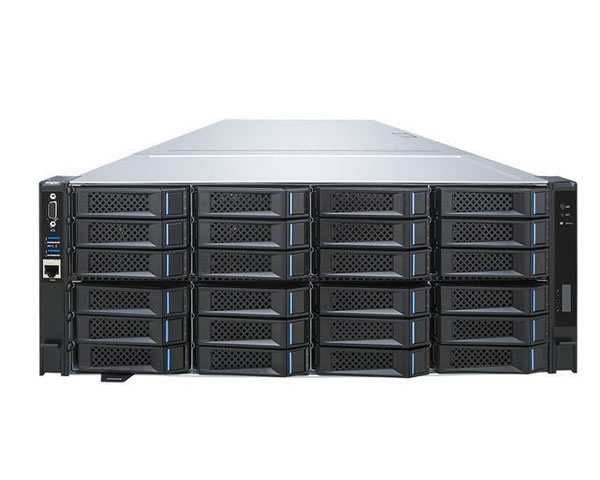
1) the following are two typical host configuration examples for the korean market (for production environments, please press business expansion).2) the example includes cpu, memory, disk, bandwidth and operating system information for quick reference and comparison.
3) actual measurement: using iperf3 from south korea to overseas nodes, the peak single tcp throughput is about 800mbps (1000mbps link) and the delay is 35ms.
4) nginx and keepalived implement vip high availability. example keepalived priority settings: master priority 150, backup 100.
5) table display (sample data, for reference only):
| example | cpu | memory | disk | bandwidth | system/remarks |
|---|---|---|---|---|---|
| vps - small (example) | 2 vcpus | 4gb | 50gb ssd | 1 gbps share | ubuntu 22.04, suitable for lightweight api |
| physical - high availability (example) | 8 corexeon | 32gb | 2 x 1tb nvme (raid1) | 10 gbps dedicated link | centos/almalinux, recommended for high-concurrency services |
5. cdn, domain name resolution and gslb strategy (acceleration and disaster recovery)
1) cdn selection: give priority to manufacturers with korean pops (for example, with seoul nodes), and enable anycast, http/2, and quic support to reduce rto.2) back-to-origin strategy: use long connection back-to-origin for dynamic interfaces and enable cache layering (edge cache + origin cache-control) to reduce back-to-origin pressure.
3) gslb (global load balancing): configure traffic scheduling based on delay and health check, and set ttl low for switching (60 seconds).
4) domain name registration/registration: when providing services in south korea, ensure that the domain name information is consistent with whois and configure dnssec (if necessary).
5) example: using cloudflare + local korean node combination, static resources go through cdn, and api goes back to the local vip to ensure low latency.
6. ddos protection and real response cases (steps and configuration recommendations)
1) multi-layer protection: edge cdn resists small traffic/application layer attacks, backbone bandwidth and bgp black hole handle large traffic, server-side current limiting and waf protect the application layer.2) blocking strategy: set ipset + nftables/iptables blacklist and combine with fail2ban to automatically block malicious ips. example: connlimit and limit rules.
3) monitoring and alarming: collect traffic (sflow/netflow), number of connections, cpu/memory, i/o and set threshold alarms (for example, triggered by traffic >500mbps).
4) real case: a korean e-commerce company suffered a burst traffic attack. it used cdn to absorb large traffic (peak value: 5.2gbps). at the same time, it enabled bgp blackhole on the backbone side and switched to the backup cloud back to the origin. the business was restored within 3 minutes.
5) drill suggestions: conduct failover and ddos drills regularly, and save traceback logs and pcaps for post-analysis and communication with operators.
- Latest articles
- Detailed Explanation Of Enterprise Migration To Alibaba Cloud Malaysia Server Disaster Recovery Plan And Data Synchronization
- Comparison Of Model Selection And Analysis Of The Differences In Encoding, Transcoding And Delay Of Us High-bandwidth Server Video From Different Manufacturers
- A Case Study On The Combination Of Caching And Cdn Explains How Malaysia Optimizes Servers To Improve Concurrent Processing Capabilities
- Service Agreements And Commitments You Need To Pay Attention To When Choosing The Us High-defense Server 100g
- Is South Korea's Cn2 Us Dedicated Line A Test Of Its Actual Impact On Game And Live Broadcast Delays?
- How To Judge Which Vps Korea Or Japan Node Is More Suitable For You Based On Usage
- Business Case Shows How Hong Kong Server High-defense Improves Business Stability After Selection
- Which Business Scenarios Are Suitable For Korean Vps Native Ip And Bandwidth Selection Suggestions?
- Vpn Configuration And Tunnel Stability Alternative Solutions When The Cf Vietnam Server Cannot Be Accessed
- Data Analysis On Bandwidth Stability And Packet Loss Rate Improvement Brought By Vietnam Cn2 Link
- Popular tags
Network Services
Network Test
Vps Selection Tips
Geoip Monitoring
Singapore-based Cn2 Acceleration Service Providers: Cn2 Acceleration
Alarm
Solutions
CN2 Network Service
Programming
Troubleshooting
Server Ranking
Security Group
International Export Link
Oracle Cloud
Hong Kong Server
P99 Latency
Servers In Different Regions
Server Reviews
Load Adaptation
Linode
Business Support
Amazon Cloud Server
Technical Support
Redis
Ultimate Experience
Bandwidth Measurement
Website Security
Market Status
Singapore BGPVPS
Japanese Users
Related Articles
-
What Factors Should Be Considered When Choosing A Korean Server Recycling Service
key factors that need to be considered when choosing a korean server recycling service, including service quality, price, customer support, etc. -

Learn About The Help Of Korean Native Site Group Servers For Website Optimization
learn how korean native site group servers can help improve website optimization effects, and explore its importance and advantages in seo. -
Evaluate The Usage Experience And Effect Of Liuliu Cloud’s Korean Native Ip
this article evaluates in detail the experience and effect of liuliuyun's korean native ip, including specific operation steps and usage experience.